
 Tiếng Việt
Insights & Sharing
HOW DOES PROLONGED STRESS AFFECT WOMEN’S HEALTH?

Oct
Stress Is Not Just a Mental Issue
Many people mistakenly believe that stress only exists in thoughts or emotions. But in reality, when you feel pressured, the brain activates a comprehensive alarm system.
The body responds by releasing hormones such as cortisol and adrenaline, preparing for a “fight or flight” response. If this state only occurs in the short term, the body can rebalance itself. However, when stress persists month after month, this system is never “switched off.” As a result, internal organs become overworked, leading to real physical consequences that you can clearly feel through headaches, muscle fatigue, or changes in heart rate.
How Does Stress Affect Endocrine and Immune Systems?
Women have an extremely sensitive endocrine system. This is the “engine” regulating almost all vital functions, and stress is the number one enemy causing chaos within this system.
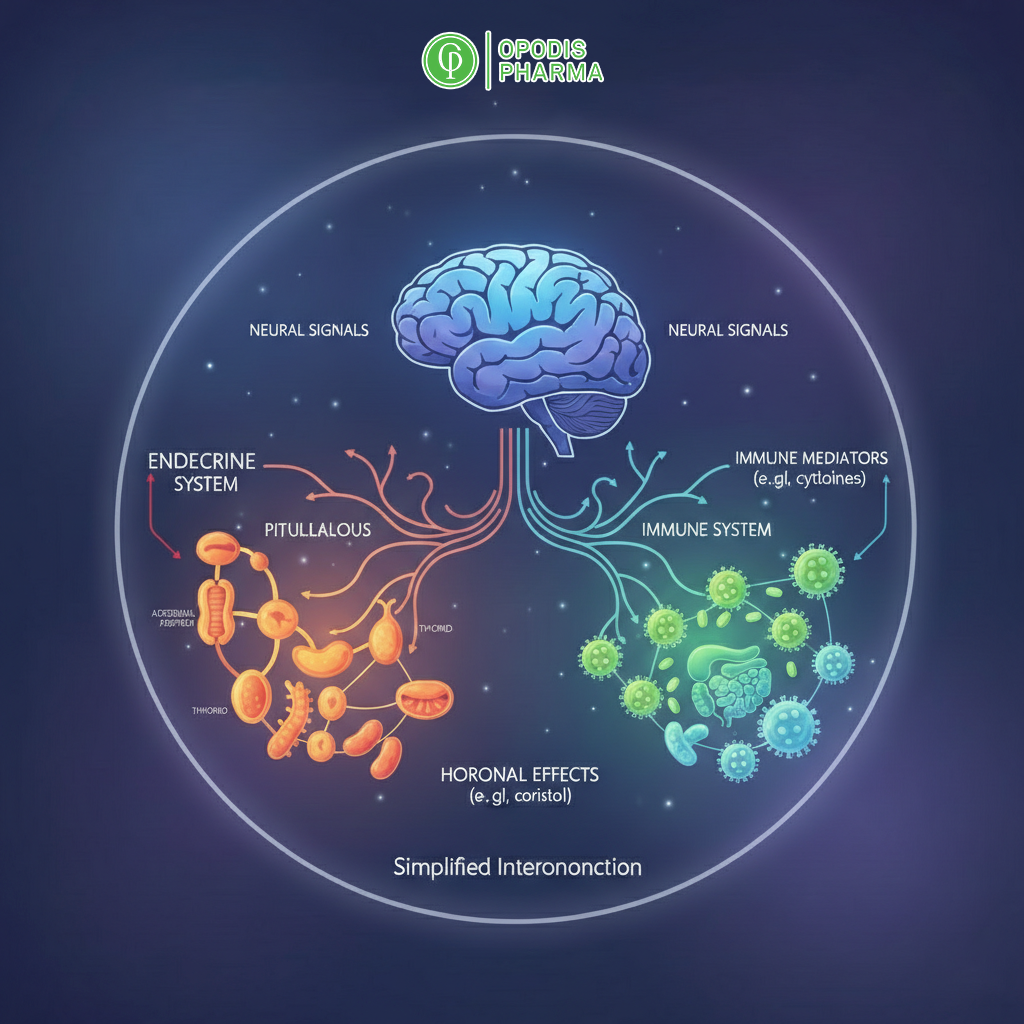
Endocrine Disruption
When levels of cortisol, a stress hormone, remain high for too long, it directly suppresses sex hormones. This leads to an imbalance between estrogen and progesterone.
- Irregular Menstrual Cycles: Stress can delay ovulation or cause menstrual periods to arrive unusually early or late.
- Impact on Appearance: Hormonal imbalance caused by stress manifests through acne-prone skin, increased hair loss, and difficulty controlling weight despite maintaining a constant diet.
Weakened Immune System
The immune system is our protective “shield” against bacteria and viruses. However, prolonged stress reduces the number of lymphocytes (white blood cells that help fight infection). When cortisol levels remain continuously high, it suppresses the natural immune response. That is why during periods of heavy work pressure, you may find yourself more susceptible to colds, sore throats, or minor illnesses that take longer than usual to recover from.
Why Does Prolonged Stress Make the Body More Sensitive?
Our bodies have a certain tolerance threshold. When stress becomes chronic, it lowers this threshold. The nervous system remains in a state of “high alert,” making organs hyper-sensitive to environmental stimuli.
A minor weather change, an unfamiliar meal, or even background noise can make you feel twice as uncomfortable as usual. In particular, stress directly impacts the digestive system—known as the body’s “second brain.” It alters the gut microbiome and stomach motility, causing women to frequently experience bloating or indigestion even when eating very light meals.
Warning Signs Your Body Is Giving Off
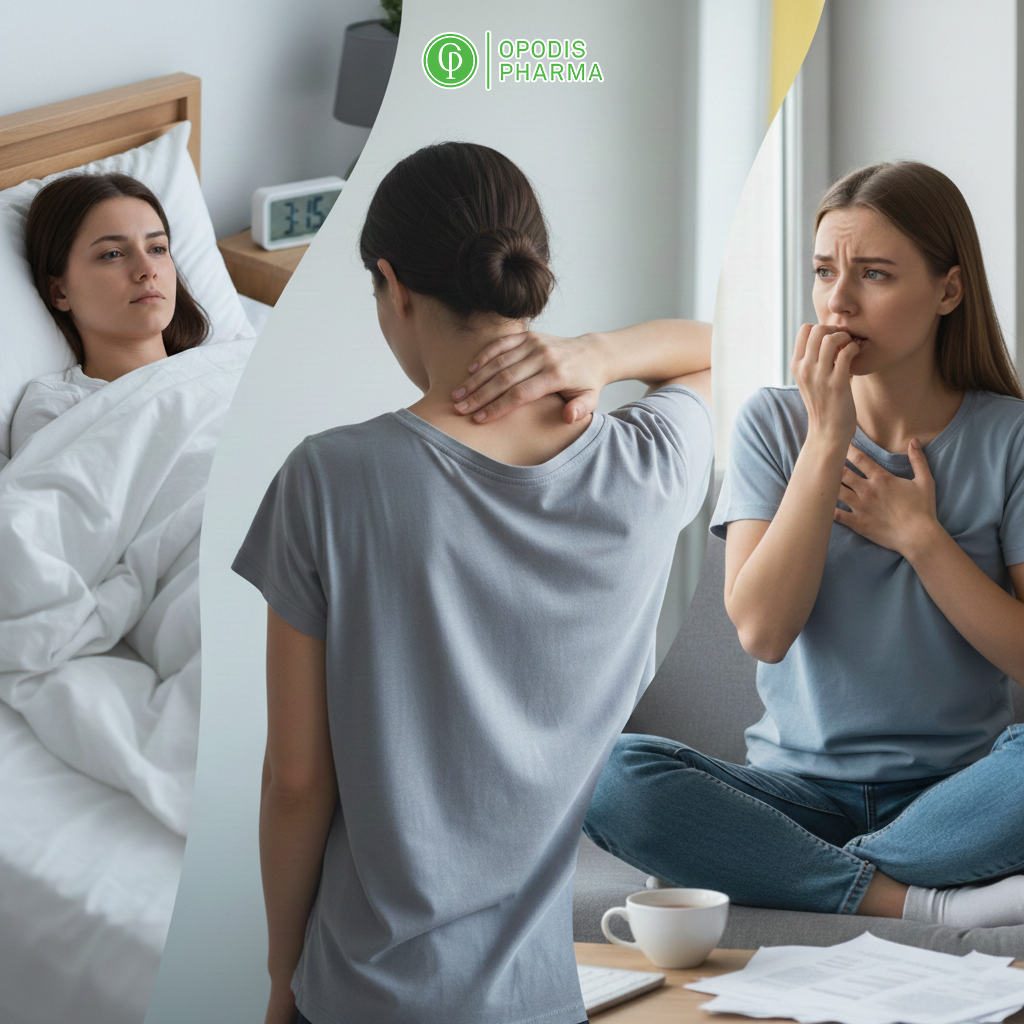
Do not ignore these signals if your body is sending them, as they indicate that stress has exceeded your self-regulation capacity:
- Persistent Fatigue: You wake up feeling sluggish despite getting enough sleep. This is an energy depletion that ordinary rest struggles to compensate for.
- Sleep Disorders: Difficulty falling asleep, waking up startled in the middle of the night, or frequently having anxious dreams.
- Sudden Mood Swings: Becoming easily irritable, crying without reason, or losing interest in previous hobbies.
- Physical Aches and Pains: Frontal headaches, neck and shoulder stiffness, and lower back pain are very common manifestations in women experiencing stress.
- Changes in Eating Habits: A tendency to crave sweets and fast food, or conversely, a complete loss of appetite.
How to Practice Self-Care During Prolonged Stress?
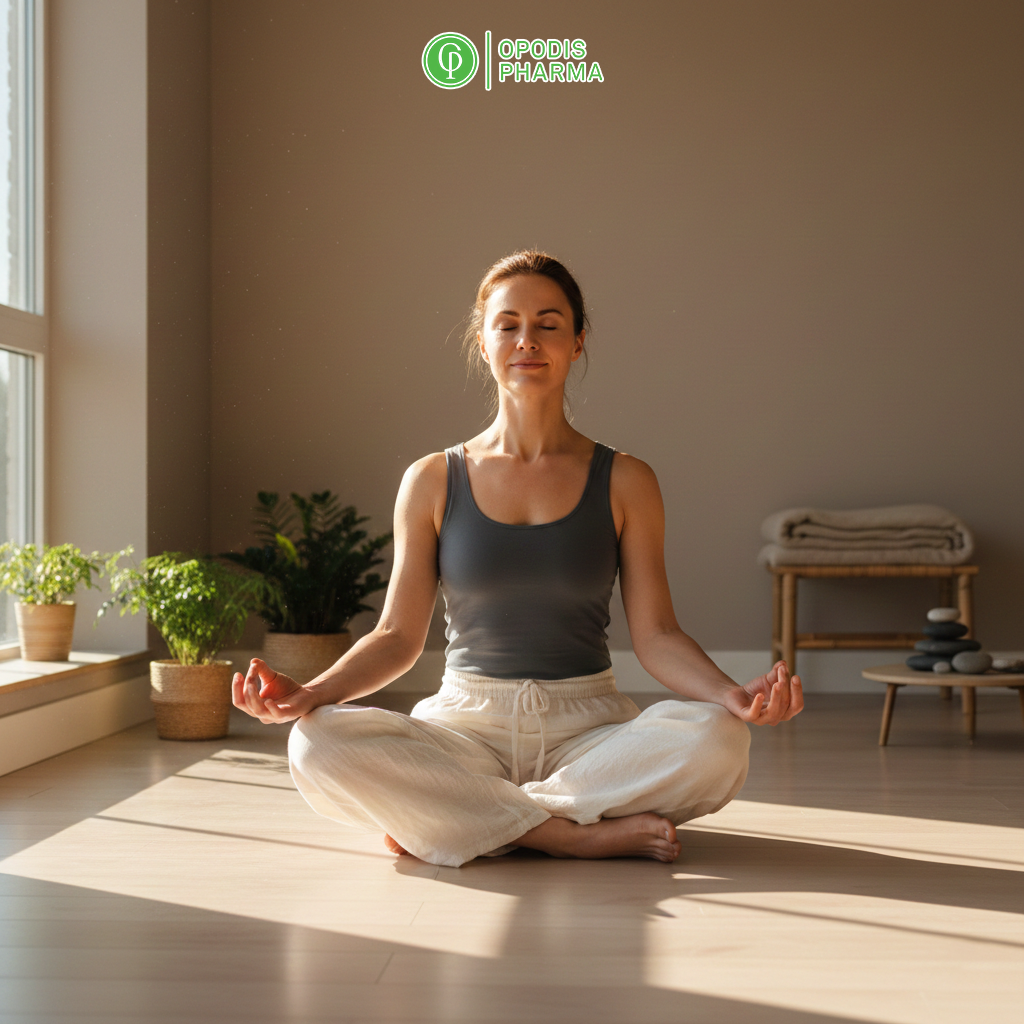
When you notice stress overtaking your life, instead of trying to “fight” it, learn to coexist with and soothe your body through small changes in your daily lifestyle:
- Prioritize Quality Sleep: Turn your bedroom into a true sanctuary for relaxation. Turn off electronic devices at least 30 minutes before sleep so your brain can unwind.
- Gentle Physical Activity: High-intensity workouts aren’t necessary. A 20-minute daily walk, yoga, or simple stretching exercises are enough to stimulate endorphin production—the natural mood-boosting hormone.
- Practice Deep Breathing: When pressure builds up, take 3 to 5 minutes to focus on your breath. Inhale deeply through your nose and exhale slowly through your mouth to steady your heart rate and lower cortisol levels immediately.
- Set Personal Boundaries: Learn to say “no” to overwhelming tasks and take time offline to recharge. Sometimes, doing nothing is the best medicine for the mind.
Connect and Share: Don’t keep the pressure to yourself. Talking to friends or simply journaling will help you articulate your feelings and make your heart feel lighter.
Reference Articles:
https://aih.com.vn/tin-tuc/bi-mat-ve-he-tieu-hoa-trung-tam-mien-dich-va-la-bo-nao-thu-hai-cua-co-the
https://www.enterogermina.com/vi-vn/suc-khoe-duong-ruot/cang-thang
https://www.vinmec.com/vie/bai-viet/hoi-chung-ruot-kich-thich-va-lien-he-voi-nao-bo-vi
https://aih.com.vn/tin-tuc/bi-mat-ve-he-tieu-hoa-trung-tam-mien-dich-va-la-bo-nao-thu-hai-cua-co-the


