
 Tiếng Việt
Insights & Sharing
Why Are Women Prone to Sensitive Area Itching and Burning During Stress?

Oct
Itching and Burning Aren’t Always Caused by Infection
The first reaction of most women upon experiencing intimate itching is buying vaginal suppositories or specialized feminine washes, assuming they have a yeast infection or vaginitis. However, clinical reality shows that a significant proportion of women who undergo medical examination receive completely normal vaginal swab results, showing no signs of harmful bacteria or fungi.
This condition is known as “psychogenic itching” or “neurogenic itching.” When the body remains in a prolonged state of stress, the immune and nervous systems become hypersensitive. Nerve endings in the delicate skin of the sensitive area can send “false signals” to the brain, producing a tingling or itching sensation even without any physical trigger.
Furthermore, scratching or rubbing due to stress-induced itching further damages the protective skin barrier, making mild irritations from clothing or soap significantly worse. Understanding that stress is a potential root cause will help you avoid misusing medication or worrying excessively.
The Role of Stress in the Female Body
The human body is a unified system where the mind and organs are closely linked through the endocrine and central nervous systems. When you encounter pressure at work, in family life, or within relationships, the body activates its “fight or flight” response.
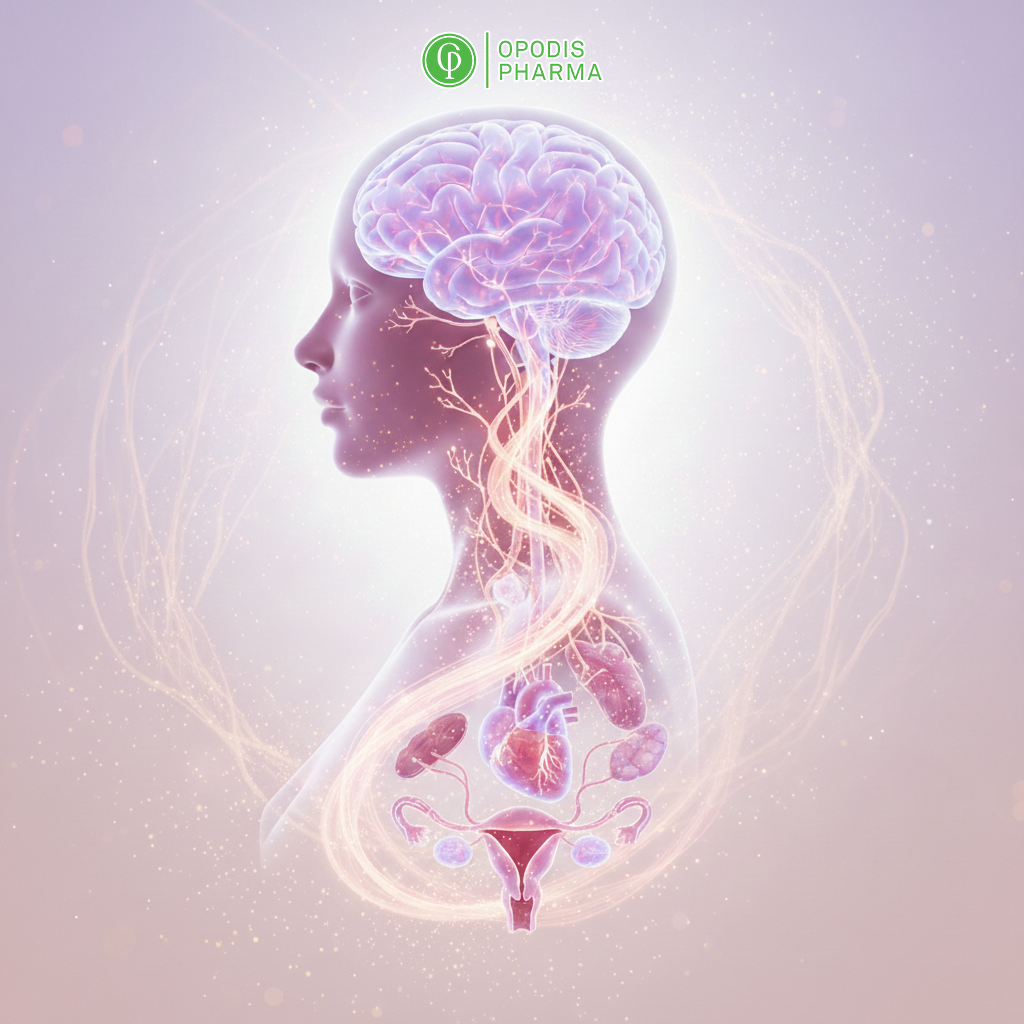
At this moment, the adrenal glands release large amounts of Cortisol—commonly referred to as the stress hormone. If Cortisol levels remain elevated over long periods, it triggers a chain reaction:
- Suppression of the immune system: Reduces the body’s natural defense capacity against external agents.
- Circulatory disruption: Blood flow is diverted toward muscles and the heart to tackle perceived “danger,” reducing blood flow to skin and mucous membranes (including the intimate area), leaving the area prone to dryness and irritation.
- pH Imbalance: Emotional instability alters the internal chemical environment, directly affecting the natural pH of the intimate zone.
Understanding the role of stress helps us realize that intimate care involves not only external hygiene, but also managing emotions from within.
Common Causes of Intimate Discomfort
Besides its direct psychological impact, stress indirectly triggers a cascade of other changes that cause the sensitive area to “protest.”
Hormonal Changes
The Brain–Pituitary–Ovarian axis regulates female sex hormones. When the brain is overwhelmed by stress, Estrogen production can stall or become disrupted. Estrogen plays a vital role in maintaining the moisture and thickness of the vaginal mucosa. When this hormone drops, the mucosal layer becomes thinner, drier, and more fragile, resulting in burning or itching sensations even during light movement.
Lifestyle and Weather
When stressed, we tend to neglect self-care. Staying up late, overindulging in sugary foods (to relieve stress), or forgetting to drink enough water alters the body’s microbiome. Additionally, during seasonal transitions with high humidity, combined with body fatigue and lowered immunity, the sensitive area becomes highly vulnerable to external irritants.
Hygiene Habits
Paradoxically, when worried about intimate itching, many women tend to “over-clean.” Douching, using high-alkaline soaps, or using scented toilet paper for a sense of cleanliness actually kills off beneficial bacteria. Losing these protective good bacteria destroys the natural moisture barrier, leading to persistent itching and burning.
When to Monitor – When to See a Doctor?
Although stress may be the cause, you should not be complacent, as itching and burning can also be signs of other medical conditions. Monitor and classify your situation as follows:
Cases where you can monitor at home:
- The itching sensation coincides with high-workload periods or intense mental pressure.
- The intimate area has no unusual odor, and discharge remains clear or slightly milky white without green, yellow, or clumpy textures.
- Discomfort subsides when you rest and get adequate sleep.
Cases requiring a doctor’s visit:
- Itching and burning accompanied by swelling, redness, or unusual bumps/sores.
- Discharge with a strong foul odor, unusual color (gray, green, yellowish pus), or cottage-cheese-like clumping.
- A burning pain during urination or sexual intercourse.
- Itching and burning that shows no improvement after 3–5 days despite proper rest and hygiene.
Seeking early medical consultation helps rule out serious infections or sexually transmitted diseases, ensuring you receive the most accurate treatment plan.
What to Do to Relieve Daily Discomfort?
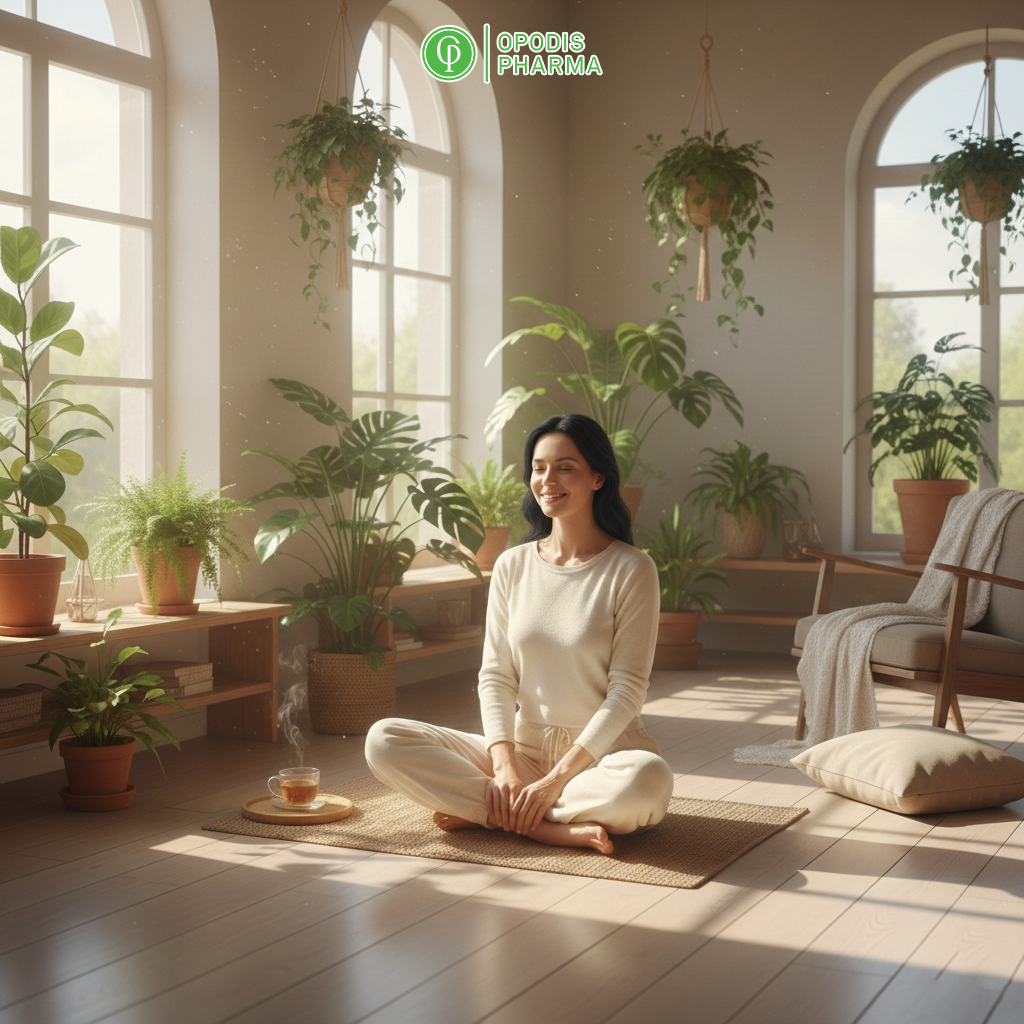
To relieve stress-related itching and burning, a holistic approach combining mental relaxation and gentle physical care is essential.
- Stress Management: Dedicate at least 15–30 minutes daily to relaxing activities such as meditation, yoga, or simply listening to instrumental music. Deep breathing helps lower Cortisol levels, calming hypersensitive nerve responses.
- Clothing Choices: Opt for 100% cotton underwear with good breathability and moisture absorption. Avoid wearing overly tight pants or tight jeans for long periods to let the intimate area “breathe.”
Reference Articles:
https://youmed.vn/tin-tuc/trieu-chung-ngua-vung-kin-ban-da-tung-trai-qua
https://tamanhhospital.vn/ngua-vung-kin


