
 Tiếng Việt
Insights & Sharing
Common Causes of Gynecological Infections During the Lunar New Year Holiday

Oct
The Lunar New Year (Tet) holiday is one of the busiest times of the year, filled with continuous parties, house cleaning, and traveling. However, this is also a period when women’s gynecological health is most vulnerable. Changes in daily routines, diet, and heightened stress levels inadvertently create favorable conditions for bacteria and yeast to thrive. Understanding the common causes of gynecological infections during this period will help women proactively protect themselves to fully enjoy the Spring festivities.
What Is a Gynecological Infection?
Gynecological infection is a general term referring to inflammation or infection in the female reproductive system, including the vagina, cervix, uterus, fallopian tubes, and ovaries. Among these, vaginitis (vaginal inflammation) is the most common condition that almost every woman experiences at least once in her lifetime.
Normally, the vaginal environment maintains a balanced microbiome consisting of both beneficial and harmful bacteria. When this balance is disrupted, harmful bacteria or yeast multiply excessively, leading to uncomfortable symptoms. Common causative agents include yeast, bacteria, and parasites. This condition not only causes inconvenience in daily life but, if left untreated, can also impact female reproductive health.
Common Groups of Causes
The Tet holiday brings major lifestyle changes, and these very shifts act as the hidden triggers behind gynecological issues.
Lifestyle Habits
This group of causes has the most direct and significant impact during the first days of the new year:
- High-Sugar and High-Fat Diets: Traditional sticky rice cakes (Banh Chung, Banh Tet), candied fruits, and soft drinks are staple treats. Consuming excess sugar alters vaginal pH, creating a fertile environment for Candida yeast—the main cause of vaginal yeast infections—to proliferate rapidly.
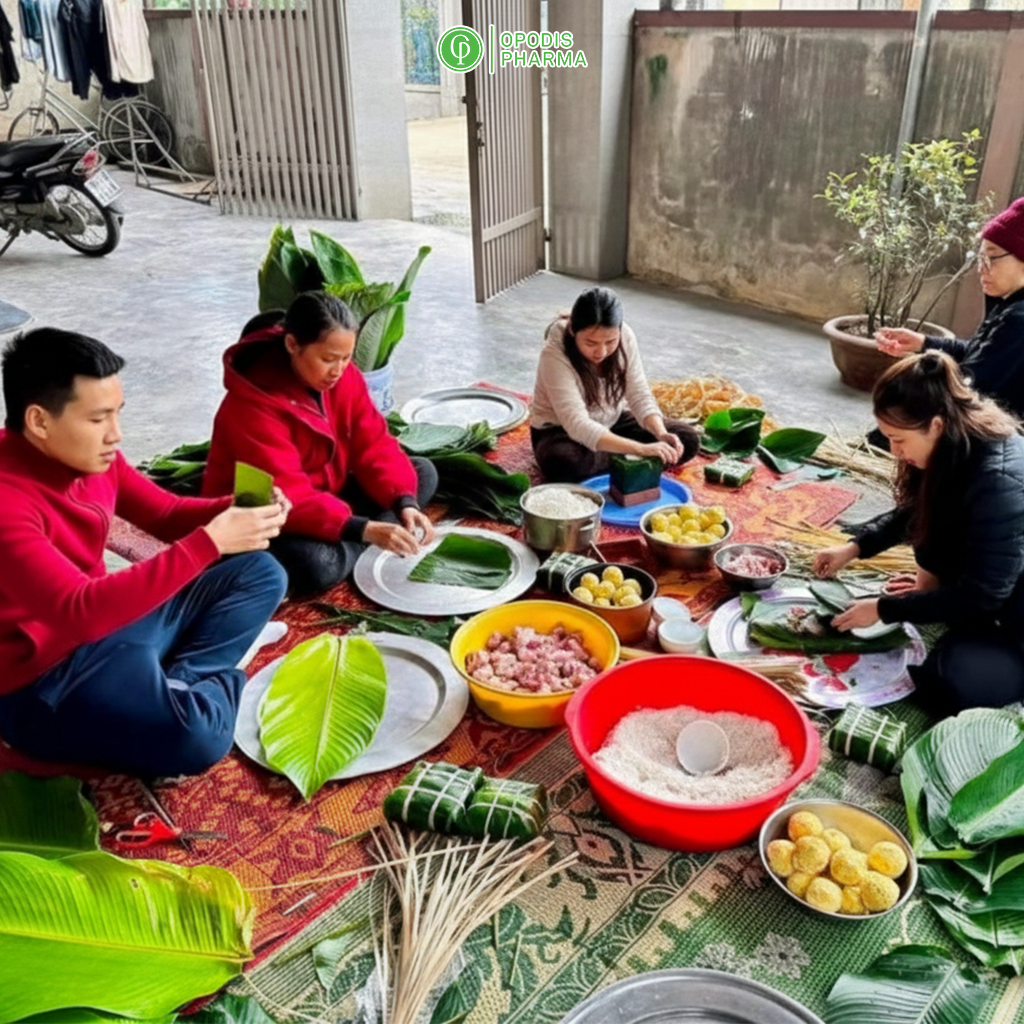
- Staying Up Late and Sleep Deprivation: Year-end gatherings and late-night New Year’s Eve celebrations exhaust the body, weakening the immune system. When immunity drops, the body struggles to defend itself against invading pathogens.
- Use of Stimulants: Alcohol, beer, and coffee are frequently consumed during reunions. These substances can reduce beneficial bacteria in the body, disrupting internal balance.
- Wearing Tight Clothing: To look their best in Spring photo sessions, many women opt for tight-fitting traditional dresses (Ao Dai), thick tights, or non-breathable fabrics. This keeps the intimate area warm and damp, trapping moisture and facilitating bacterial buildup.
- Stress and Fatigue: House cleaning, feast preparations, and year-end financial stresses can cause severe exhaustion. Hormonal fluctuations caused by prolonged stress are closely linked to triggering inflammation episodes.
Environmental and Weather Factors
External factors also play an important role that is often overlooked:
- High Atmospheric Humidity: The humid Spring weather creates ideal conditions for mold and bacteria to thrive. Clothing, especially underwear, that is not dried in sunny and ventilated spaces can easily become contaminated with fungi and transfer to the body when worn.
- Long-Distance Travel: Sitting for hours in buses, trains, or airplanes during the holiday travel rush puts pressure on the intimate area and restricts airflow. Additionally, using public restrooms with poor sanitation along the way increases the risk of cross-contamination.
Improper Hygiene Practices
In the holiday rush, personal hygiene routines can easily be neglected or performed incorrectly:
- Irregular Hygiene Habits: Busy schedules during New Year visits or travels can lead to forgetting to change sanitary pads (during menstruation) or underwear regularly, resulting in prolonged dampness.
- Using Incorrect Cleansing Products: Using body soaps or overly alkaline feminine washes to douch deep inside strips away good bacteria and destroys the vagina’s natural protective layer.
- Unsanitary Water Sources: Visiting rural hometowns or traveling to locations with unfiltered or well water for daily cleansing can cause irritation and bacterial infections.
Early Warning Signs
Listen to your body. If you notice any of the following signs, you may be developing an infection:
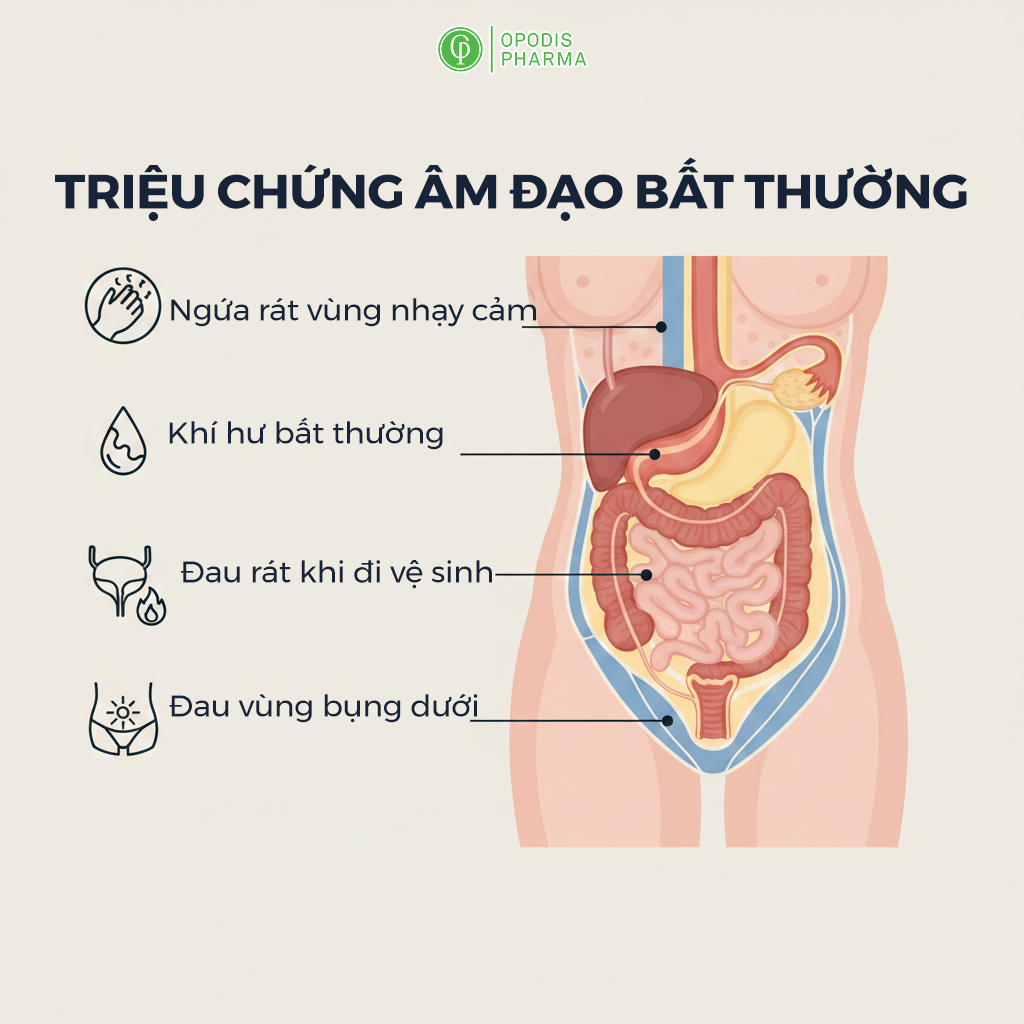
- Itching and Burning Sensation: This is the most typical symptom. The itch can be mild or intense, especially after using the restroom or at night.
- Abnormal Vaginal Discharge: Normal discharge is clear or milky white and odorless. When inflamed, discharge may turn yellow, green, or thick and clumpy (like cottage cheese), accompanied by an unpleasant odor.
- Pain or Stinging During Urination: Inflammation in the vaginal area can irritate the urethra, causing a stinging or burning sensation when urine touches inflamed skin.
- Lower Abdominal Discomfort: Although less common than the above symptoms, dull pelvic discomfort can indicate that inflammation has spread further.
Daily Prevention Tips
Prevention is always better than cure, especially during busy holidays. Here are simple yet effective measures:
- Choose Suitable Clothing: Opt for high-cotton underwear to ensure breathability. If wearing tight outfits for social visits, change into comfortable clothes as soon as you return home to let the area breathe.
- Stay Hydrated and Eat Yogurt: Water helps flush out toxins, while yogurt provides beneficial probiotics that help balance vaginal microflora and fight yeast from within.
- Practice Proper Hygiene: Gently cleanse only the external area with clean water or a pH-balanced feminine wash (pH 4.0 – 4.5). Never douch internally.
- Manage Rest and Sleep: No matter how busy, aim for 7–8 hours of sleep per night. Proper rest keeps the immune system strong to ward off harmful bacteria.
- Maintain Hygiene While Traveling: When traveling long distances, carry alcohol-free, fragrance-free intimate wipes for quick cleansing when needed.
While gynecological infections are not immediately life-threatening, they cause significant discomfort and reduce quality of life—especially during holiday celebrations. By paying attention to small everyday habits, you can protect your health and enjoy a confident, vibrant New Year.
Reference Articles:
https://tamanhhospital.vn/bi-viem-phu-khoa-nen-an-gi
https://bvdl.org.vn/d-8758.0.12/tin-tuc-va-su-kien/cham-soc-vung-kin-dung-cach.html https://www.vinmec.com/vie/bai-viet/nhan-biet-khi-hu-binh-thuong-va-khi-hu-benh-ly-vi


