
 Tiếng Việt
Insights & Sharing
Endometriosis: The Hidden Condition Millions of Women Endure
Oct
Endometriosis is one of the most common gynecological conditions worldwide, affecting approximately 10% of reproductive-age women and girls. However, a alarming reality remains: it takes an average of 7 to 10 years, multiple clinic visits, and consultations with numerous doctors for a woman to receive an accurate diagnosis.
Why is a condition that causes excruciating pain and can impact fertility “overlooked” for so long? This article will help you better understand the nature of Endometriosis and the barriers that make early detection so challenging.
What Is Endometriosis?
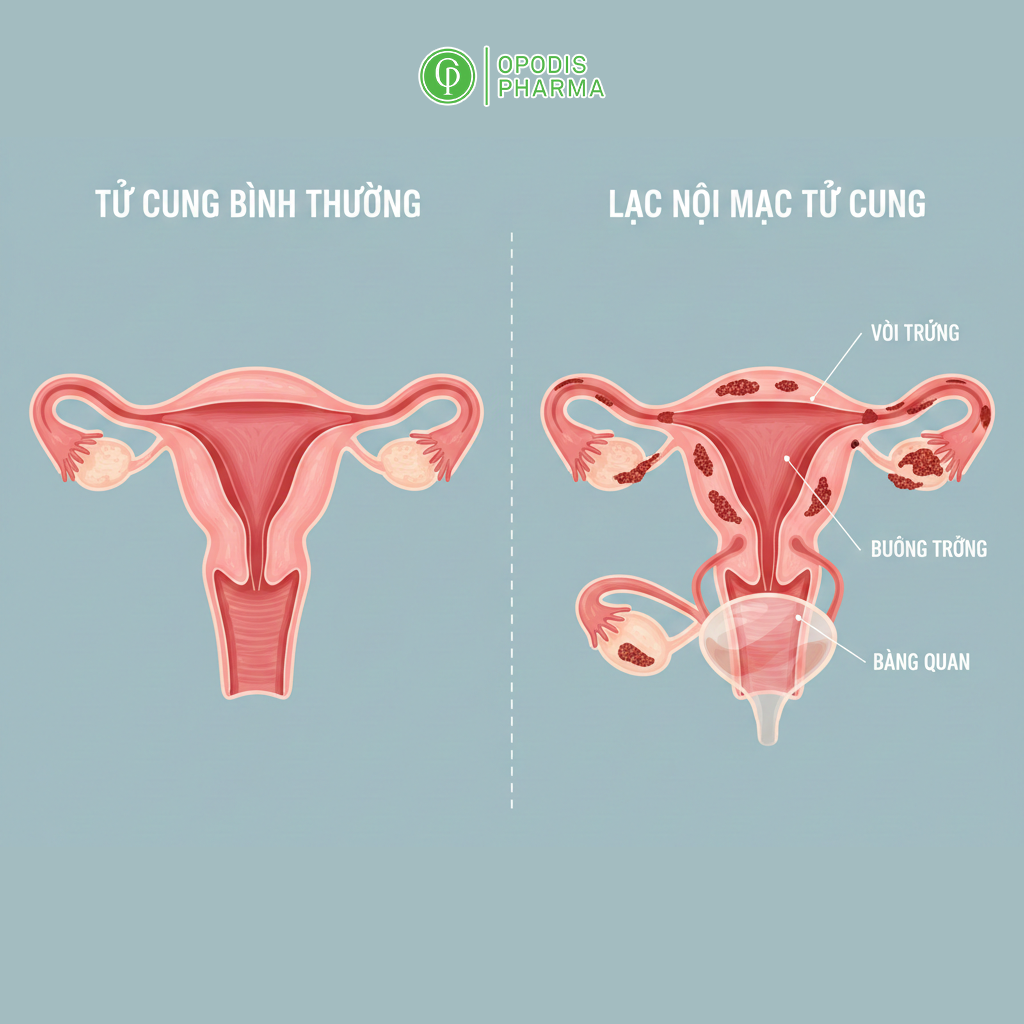
To understand why this condition is difficult to diagnose, we first need to know what it is. Normally, the tissue lining the inside of the uterus is called the endometrium. Every month, driven by hormonal changes, this tissue thickens to prepare for pregnancy. If pregnancy does not occur, it breaks down and sheds from the body during menstruation.
Endometriosis occurs when tissue similar to the lining of the uterus grows outside the uterus. It most commonly develops on the ovaries, fallopian tubes, the tissue lining the pelvis, or even on the intestines and bladder.
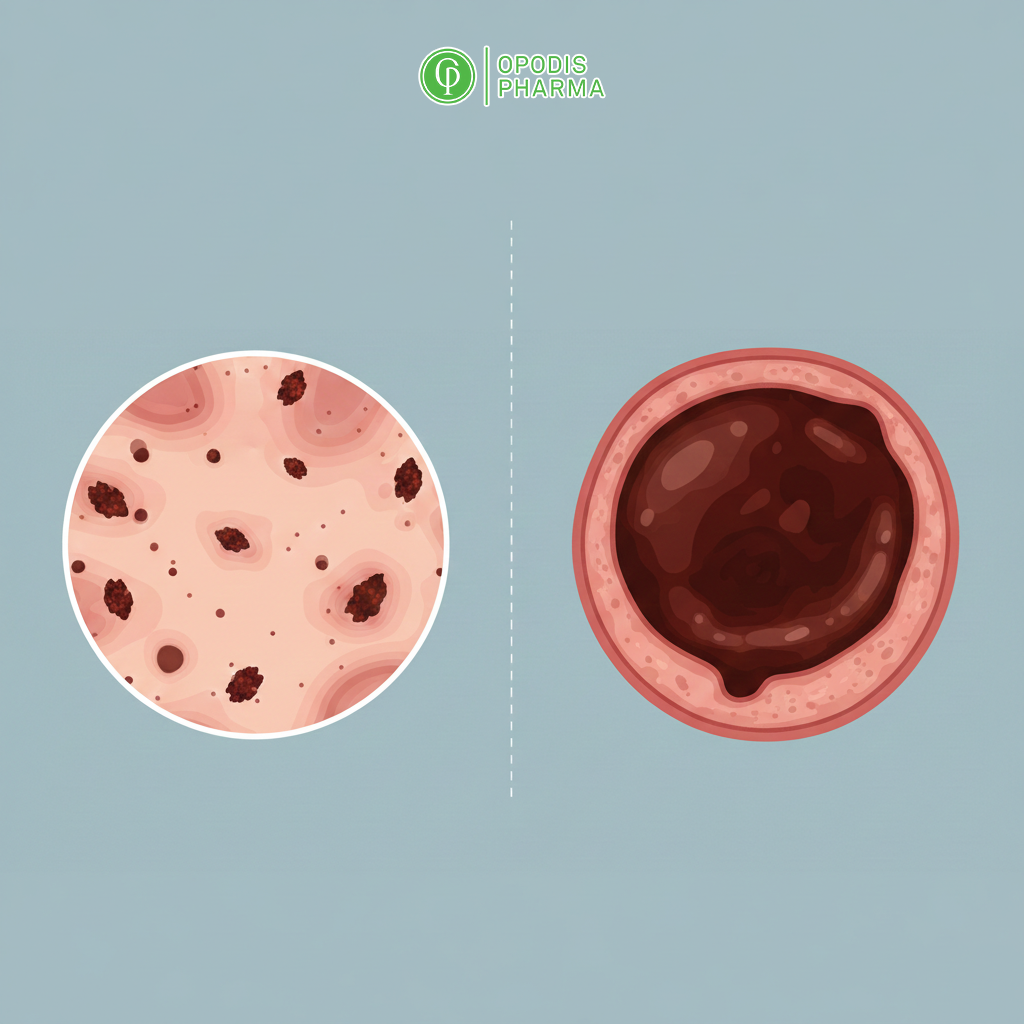
The core problem is that despite being in the wrong location, this tissue continues to behave as it normally would inside the uterus. It thickens, breaks down, and bleeds with each menstrual cycle. But because it has no exit route out of the body, the trapped blood leads to inflammation, scar tissue formation (adhesions), and severe pain.
- Superficial Peritoneal Endometriosis: Small lesions located on the surface of the pelvic peritoneum.
- Deep Infiltrating Endometriosis: Lesions that penetrate deep into pelvic organs, such as the rectum or bladder.
- Ovarian Endometriomas: Often referred to as “chocolate cysts” because they are filled with old, dark brown blood.
Why Is Diagnosis Often Delayed?
The 7-to-10-year diagnostic delay is not just a statistic; it represents a decade of suffering, self-doubt, and diminished quality of life for women. There are three primary reasons behind this delay:
Women may endure a decade of pain, self-doubt, and reduced quality of life without knowing the true underlying cause.
Three main factors contribute to this delayed diagnosis:
1. The Stigma that “Period Pain Is Normal”
From generation to generation, women have been taught that menstrual cramps are an inevitable part of womanhood. When young girls complain of severe pain, they are often told to “bear with it,” that “it will go away after marriage,” or that “everyone goes through it.” Because severe pain has been normalized, many suffer in silence rather than seeking early medical evaluation.
2. Symptoms That “Mimic” Other Conditions
Endometriosis is known as “the great imitator.” Its symptoms are easily confused with other health conditions:
- Abdominal pain and bloating are frequently misdiagnosed as Irritable Bowel Syndrome (IBS).
- Painful urination is easily mistaken for a Urinary Tract Infection (UTI).
- Chronic pelvic pain is often confused with Pelvic Inflammatory Disease or general infections.
When digestive or infection tests return normal, patients are often dismissed as “overly sensitive” or assuming their symptoms stem from stress. Over time, the ongoing anxiety caused by unexplained chronic pain can further impact mental health.
3. Limitations of Imaging Diagnostic Methods
Many women undergo ultrasounds or MRI scans, only for doctors to conclude that “everything looks normal.” In reality, superficial endometriotic lesions are often too small or flat to be visible on conventional imaging scans. Currently, the gold standard for definitive diagnosis remains laparoscopic surgery. However, because it is an invasive procedure, it is rarely the first line of investigation during routine health checkups.
Not all cramps are the same. Below are key symptoms that women should pay close attention to, as they are frequently mistaken for ordinary discomfort:
Severe Menstrual Pain Relief Unresponsive to Painkillers
Normal physiological cramps usually last 1–2 days and can be managed with standard pain relievers or warm compresses. If your pain is severe enough to cause vomiting, fainting, or prevents you from working or attending school despite taking medication, it is an abnormal warning sign.
Pain During Sexual Intercourse
This is a highly characteristic symptom that women often hesitate to discuss out of embarrassment. The pain is typically felt deep within the pelvis and can persist for hours following intercourse. While superficial vaginal discomfort can occasionally occur, deep pelvic pain strongly points toward potential endometriosis.
Digestive Issues During Menstruation
Many women experience diarrhea, constipation, or nausea exclusively around the time of their period. This happens when endometriotic tissue located near the rectum becomes inflamed and irritated in response to cyclic hormonal changes.
Chronic Fatigue
This is far beyond regular tiredness; it is a state of deep physical and mental exhaustion. The body constantly spends immense energy battling internal inflammation, leading to persistent fatigue even after adequate rest.
When Should Women Seek Medical Care?
Do not wait until the pain becomes unbearable to seek medical advice. You should schedule an appointment with a gynecologist if you experience the following:
- Pain Disrupting Daily Life: You consistently miss work, school, or cancel personal commitments every month due to your period.
- Non-Cyclic Pelvic Pain: You experience a dull, aching pelvic pain even when you are not menstruating.
- Changes in Excretory Habits: Pain during bowel movements or urination during your period.
- Difficulty Conceiving: If you have been actively trying to conceive for 6–12 months without success, endometriosis may be an underlying cause.
Pro Tip for Medical Visits: Keep a detailed pain journal for at least 2–3 months. Document the timing, severity (on a 1–10 scale), and any accompanying symptoms. This gives your physician a clear overview and can significantly reduce time to diagnosis.
The Importance of Long-Term Health Monitoring
While there is currently no permanent cure for endometriosis, the condition is highly manageable. Early diagnosis offers crucial benefits:

- Preserving Fertility: Timely intervention helps prevent severe scar tissue from blocking fallopian tubes or compromising egg quality.
- Improving Quality of Life: Management options like hormonal therapy or lifestyle modifications can significantly alleviate pain, helping women regain confidence and daily productivity.
- Preventing Complications: Good disease management helps avoid major, complex surgeries in the future after lesions have invaded deeper organs.
Remember, your body is your own. If you feel that something is wrong, trust your instincts and persist in seeking satisfactory medical answers. Understanding and listening to your body is the golden key to long-term health.
Frequently Asked Questions:
1. Does endometriosis cause infertility?
Endometriosis is one of the leading causes of difficulty conceiving (accounting for roughly 30–50% of female infertility cases). However, many women with endometriosis can still conceive naturally or with assisted reproductive technologies if diagnosed and managed early.
2. Can diet help manage endometriosis symptoms?
An anti-inflammatory diet rich in Omega-3s, leafy greens, and fruits—while limiting processed foods, sugar, and red meat—can help lower overall inflammatory markers, offering symptom relief for many patients.
3. Does endometriosis resolve after menopause?
Because endometriosis is dependent on estrogen, symptoms typically improve significantly after menopause. However, in rare instances, pre-existing scar tissue or the use of hormone replacement therapy can still cause discomfort.
4. Why did my ultrasound come back clear when I am in severe pain?
Ultrasounds primarily detect larger cysts (chocolate cysts) or significant structural changes in the uterus. Superficial or microscopic implants on the pelvic lining often remain invisible on ultrasound scans despite causing severe pain.
5. Does having endometriosis mean I will definitely need surgery?
Not necessarily. Depending on symptom severity and personal goals (such as pain management versus conceiving), physicians may recommend pain medications, hormonal therapies, or lifestyle adjustments prior to considering surgical options.
Proactively understanding your body reduces risks. Do not let “monthly pain” diminish your quality of life. Start by listening to and tracking your body’s signals today.
Reference Articles:
https://bvquan5.medinet.gov.vn/suc-khoe-sinh-san
https://guidelines.endometriosis.org
https://www.msdmanuals.com/vi/professional
https://www.vjog.vn/journal/article/view/1783


